Early stage and scaling companies
Angel tickets from my own capital, or a larger round put together with angel groups and funds. I take a small stake and stay useful: growth, operations, hiring, and the unglamorous parts of scaling.

Angel tickets from my own capital, or a larger round put together with angel groups and funds. I take a small stake and stay useful: growth, operations, hiring, and the unglamorous parts of scaling.
Companies with decades of history, real customers and tired systems. I buy them out or invest, then rebuild the operating model with technology on top so the business fits how the market works now.
In those buyouts, some owners want out and a clean handover. Others want to keep building with a partner who has done it before. Both work. We agree which one it is before anything is signed.
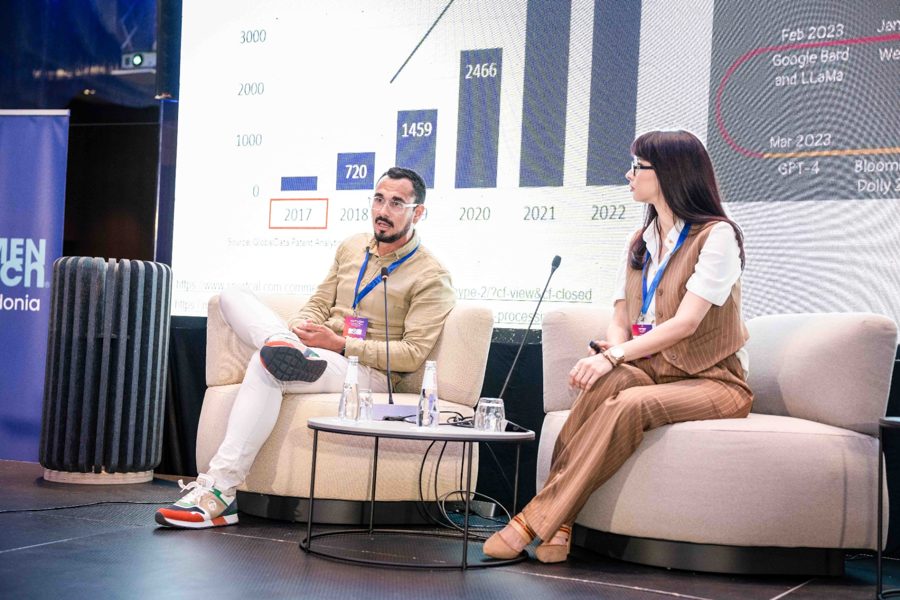
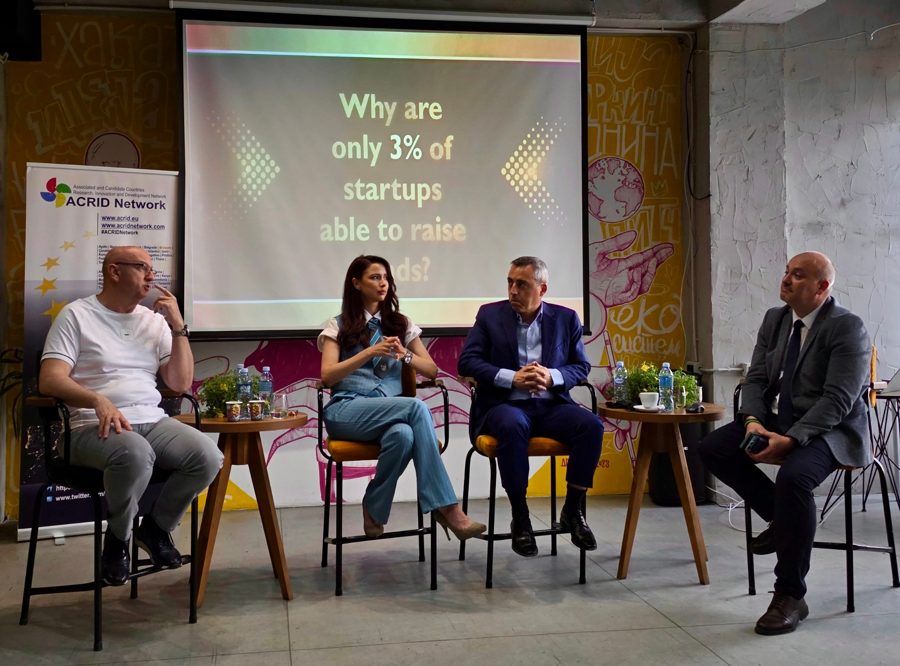
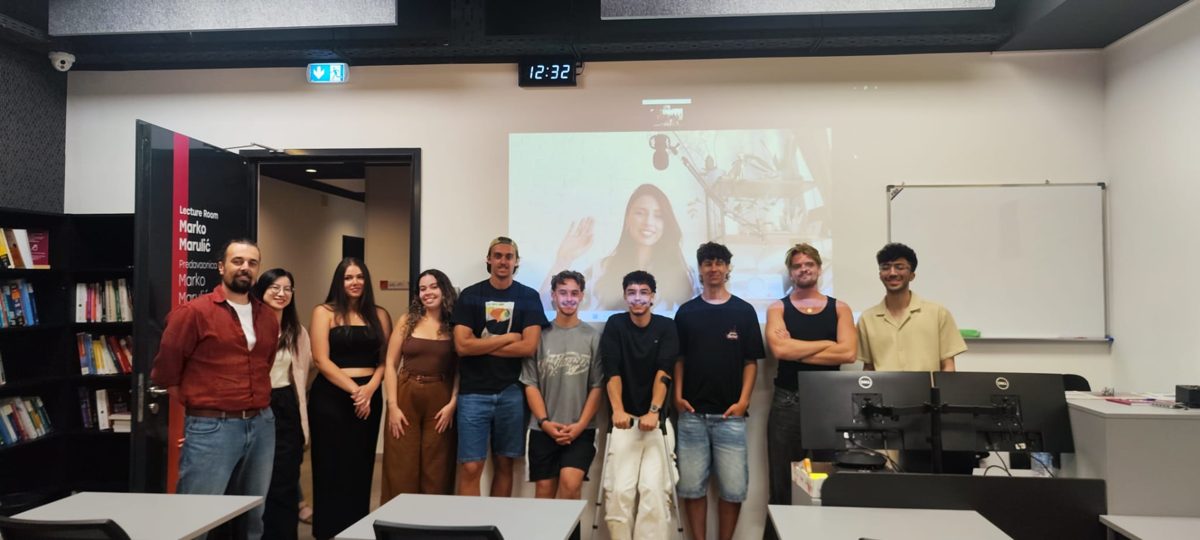
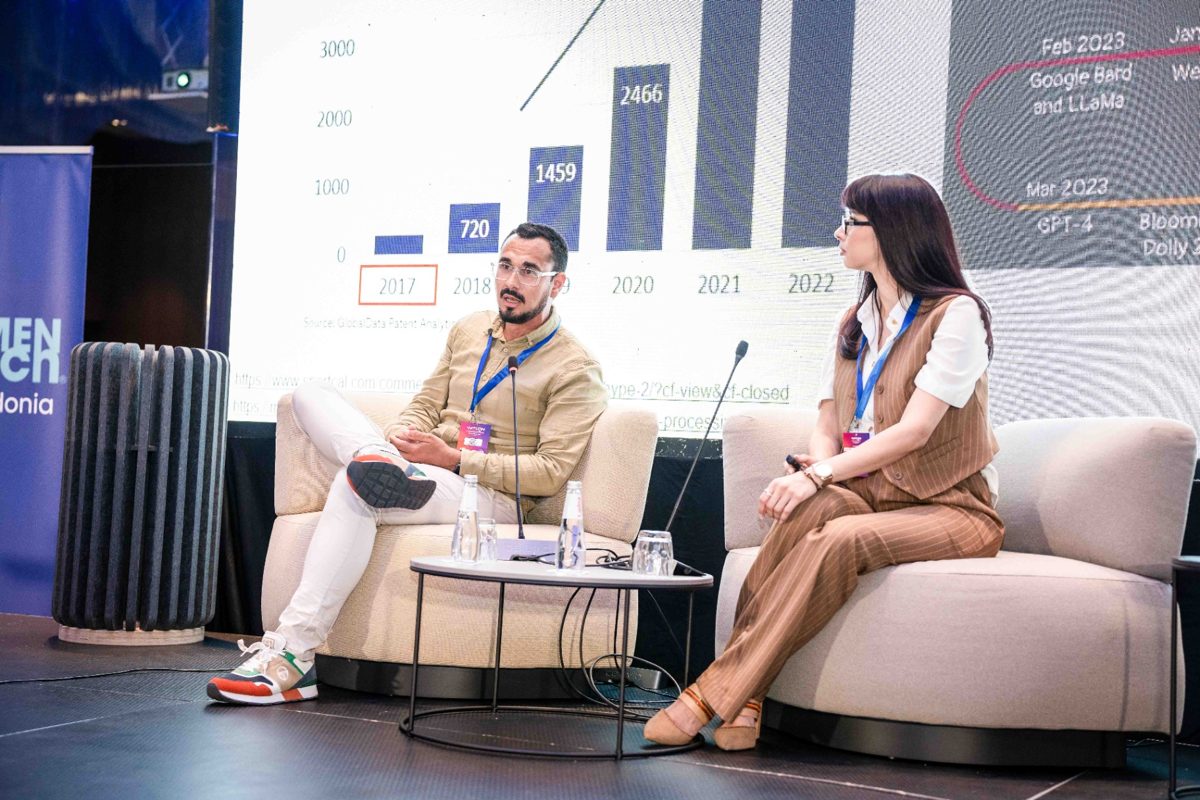
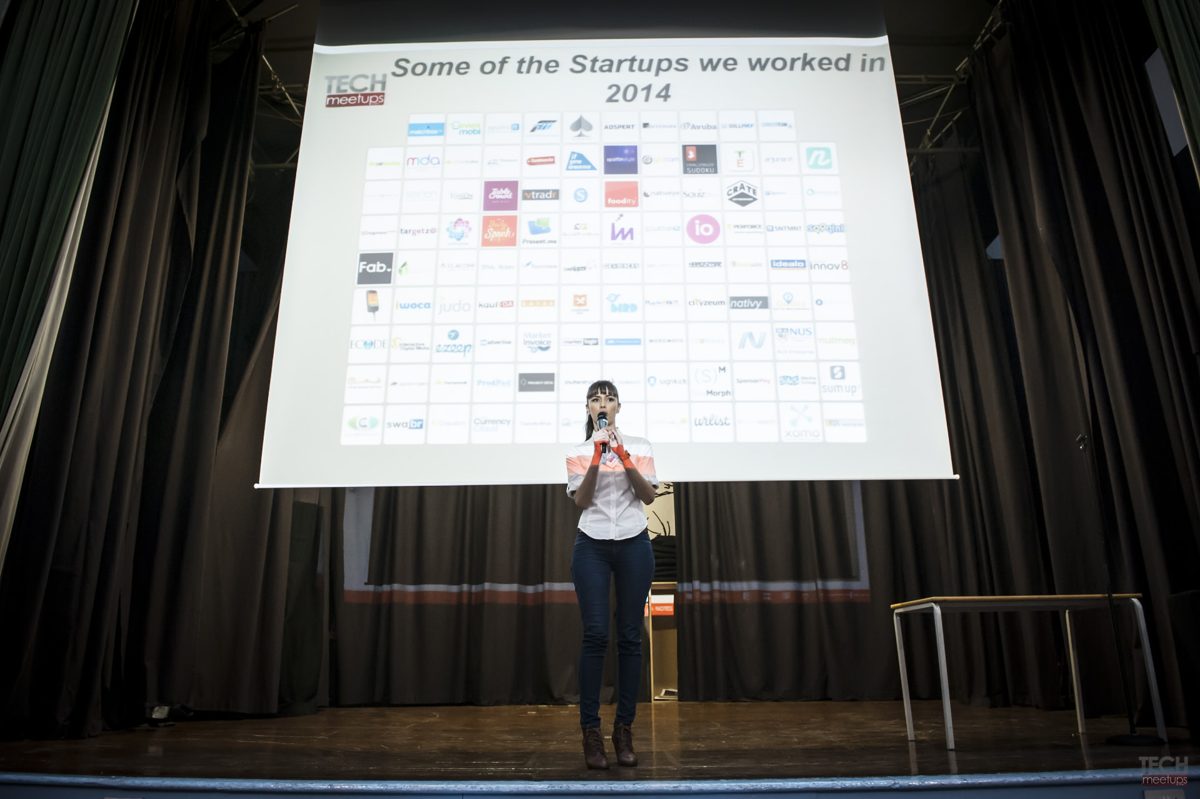
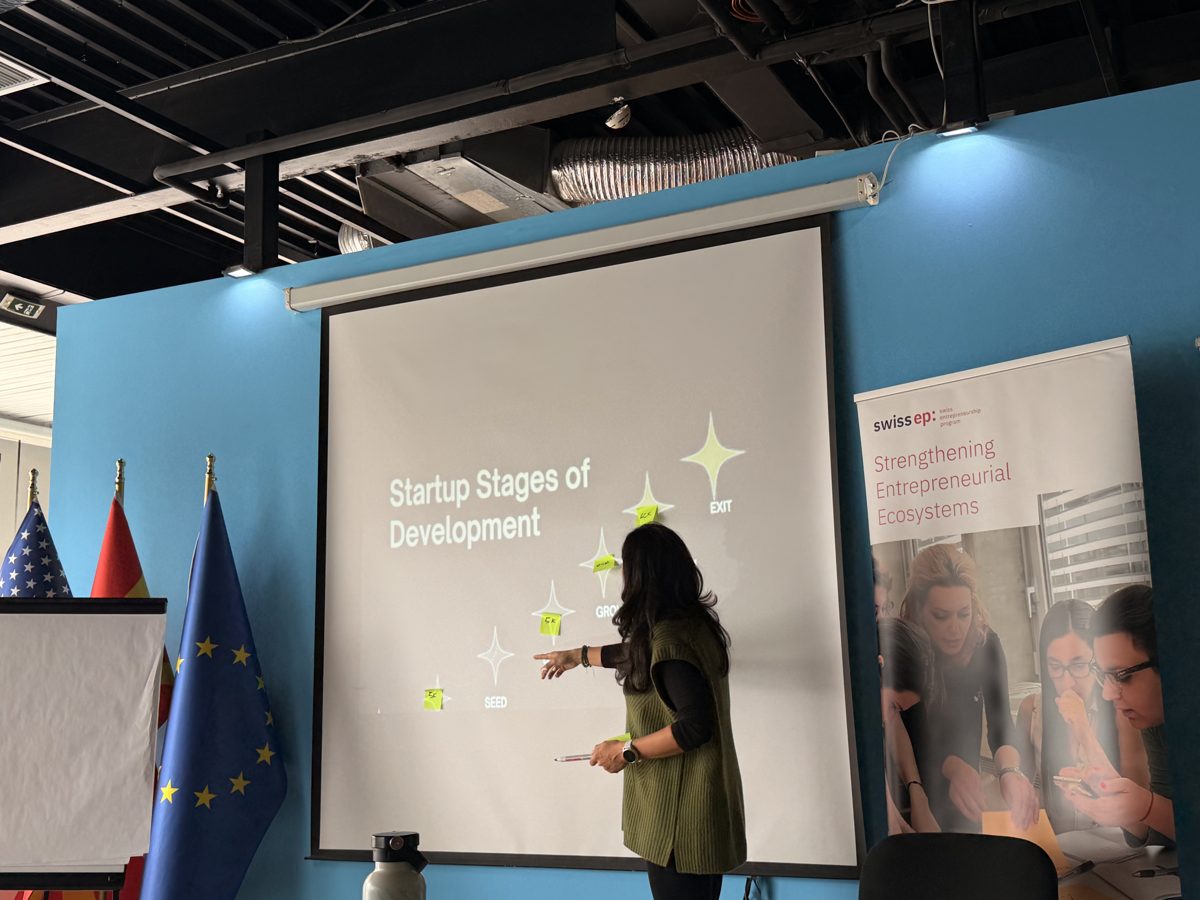
Working sessions, board rooms and stages. Swipe or use the arrows.



















You do not need all of it. You do need to know where you stand on each one.
What can you do that a well funded competitor cannot copy within six months? Name it in one sentence. If the answer is speed or price alone, we should talk about that first.
Why this team for this problem. What you have already shipped, how you handle being wrong, and who is missing from the table right now.
Mixed teams at founder and leadership level, and a hiring plan that keeps it that way. Homogeneous rooms make the same mistake at the same time.
Where the business is in five years, not only what the next round buys. Whether the ambition is a category leader, a profitable niche, or a trade sale, say it plainly.
The sequence of moves, and what you are deliberately not doing this year. Focus is easier to fund than optionality.
Real market size, who you take share from, and why this works now when it did not three years ago.
Revenue, growth rate, retention, gross margin and payback period. Early numbers are fine. Numbers you cannot explain are not.
What the money buys, which milestone it reaches, and how long it lasts. Round size should follow the milestone, not the other way around.
Cap table, IP ownership, key contracts, and a reporting habit. Messy structure kills more deals than weak numbers.
Most companies lose value in the process, not in the business. Diligence stalls, the story does not match the numbers, and the buyer starts discounting. This work fixes that before you go to market, whether you are raising, selling, or bringing in a partner.
A structured review across finance, operations, technology, legal and people, ending in a ranked gap list with owners and dates.
The story and the numbers lined up so they hold under questioning. Deck, model assumptions and the answers to the hard questions.
Documents, metric definitions and historical clean-up prepared in advance, so diligence runs instead of stalling.
Processes, systems and reporting that survive a buyer's questions, and keep working after the deal closes.
What actually drives your multiple, what erodes it, and how earn-outs, escrow and preferences change what you take home.
Target list, outreach materials, meeting preparation, and a process run on your timetable rather than theirs.
Diligence support, negotiation input, and an integration plan ready before the day the deal closes.
I read every deck myself. You get a reply within about two weeks, including a no with a reason.
If there is a fit, we take 45 minutes on the business, the team and what the money is for.
A short diligence round, then a clear answer. If it is bigger than an angel ticket, I bring in the groups and funds I work with.
Everything you send stays private. Fields marked with an asterisk are required.